As part of my stay at @azumafarm.koiwai in Iwate I participated on a walking tour of the historic districts of Morioka. As a tour guide myself I loved participating on this tour. Our guide spoke fluent English and is a local so knows the shops we visited and could answer my many questions of the area and the history of Morioka. I have been to Morioka in the past but only scratched the surface on my own.
Highlights of the tour include:
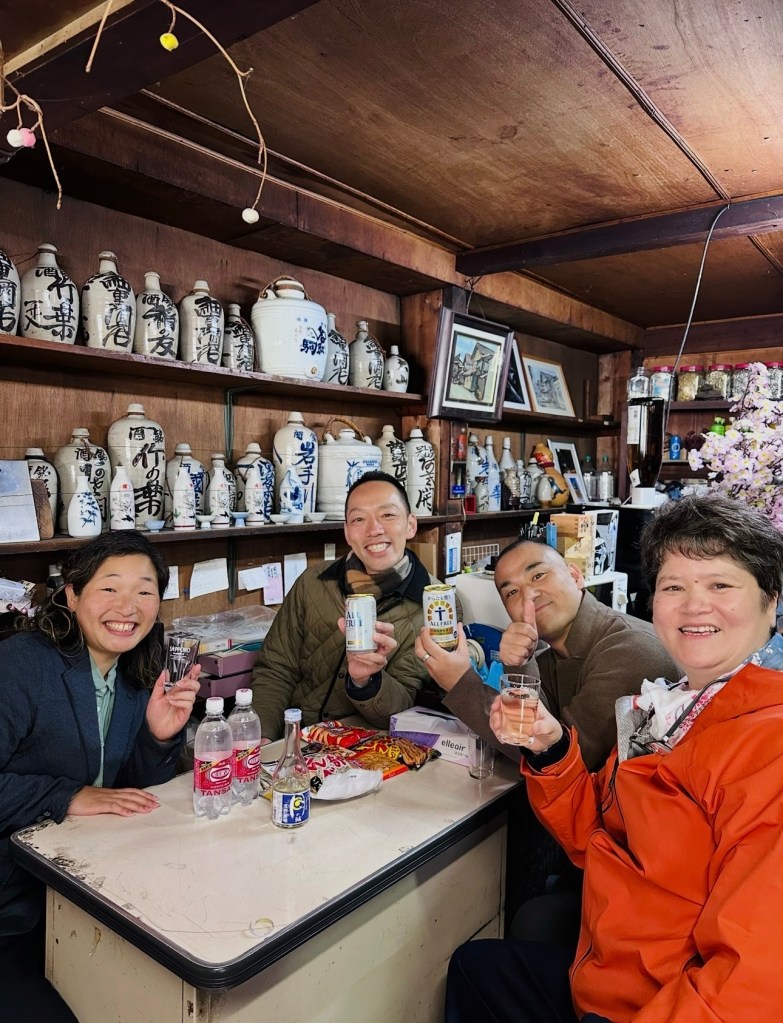
Kakuuchi casual drinking and snacks at Hosojyu Saketen, a retail sake shop that allows guests to sit down and enjoy sake or beer purchased in the shop. A small selection of tinned foods and snacks are available. Love these casual places that I would not have found on my own.
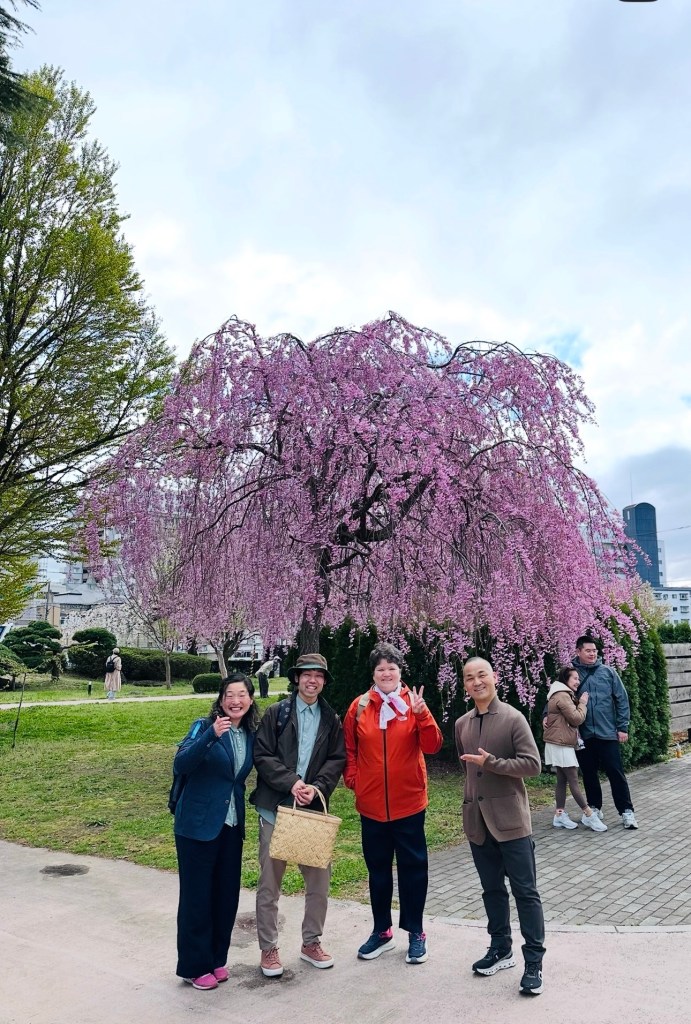
Sakura! Lucky to have seen it in both Tokyo and weeks later in Morioka.
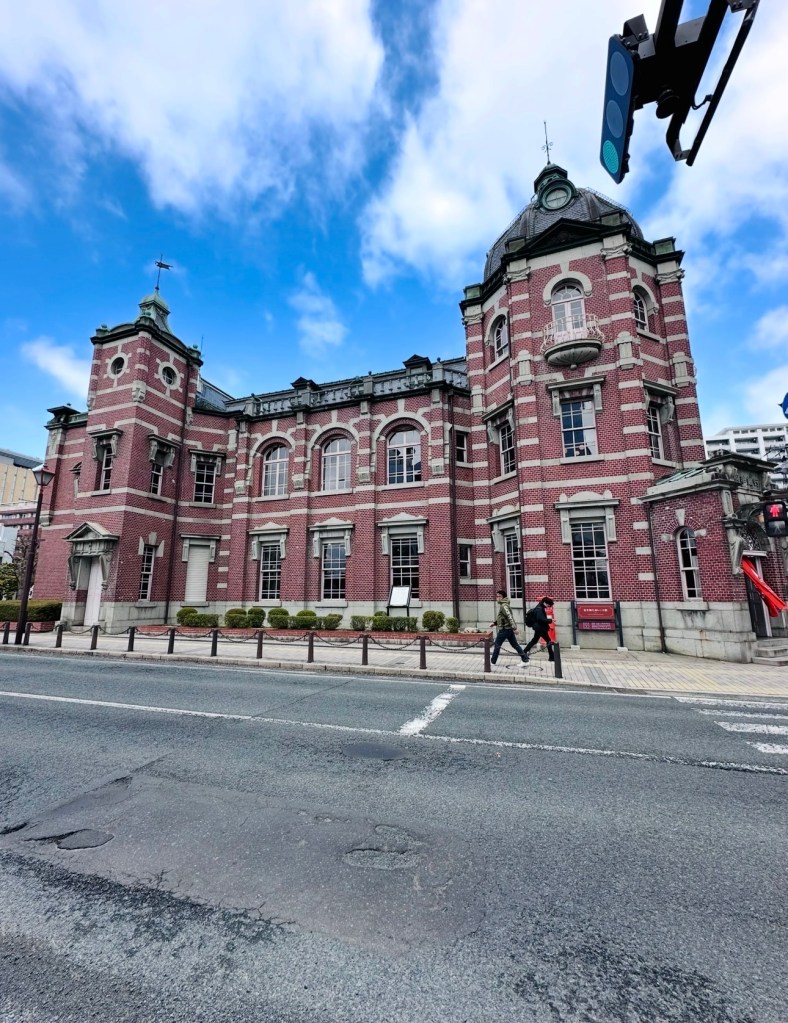
Many historical buildings on the tour including the Bank of Iwate built in 1911. Designed by the same architect firm that did Tokyo Station. This is the last building by Tatsuno Kasai that exists in Tohoku. It is a designated Important Cultural Property.
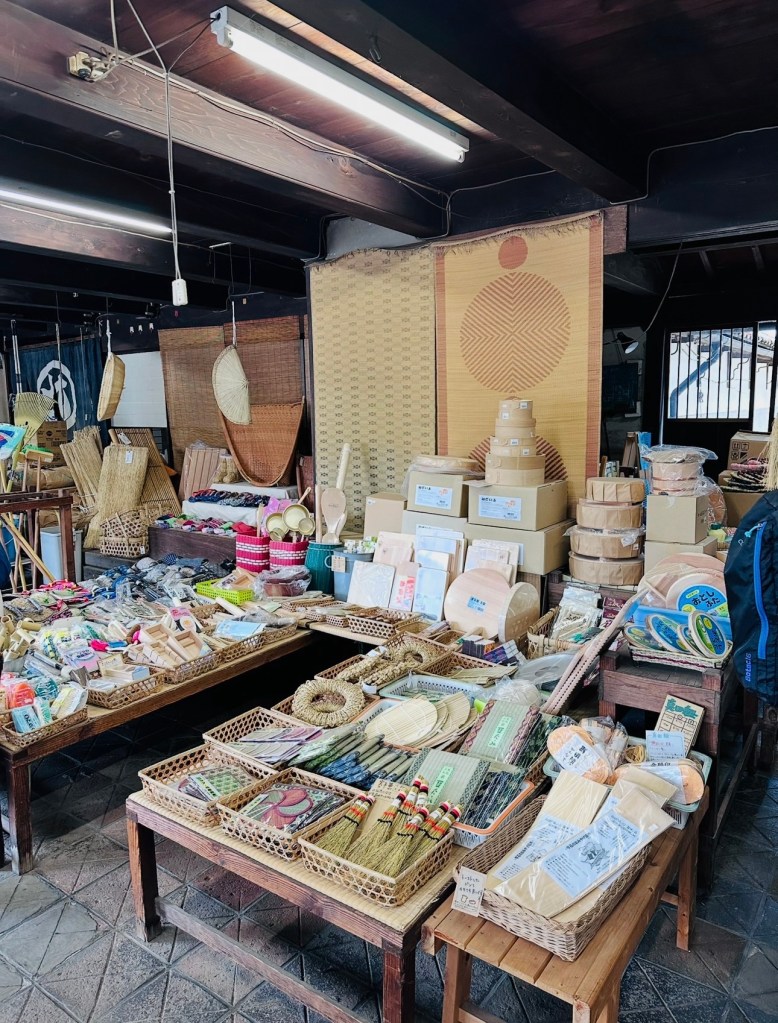
Gozaku Morikyu bamboo-specialty shop with many items we use in our home opened in 1816.
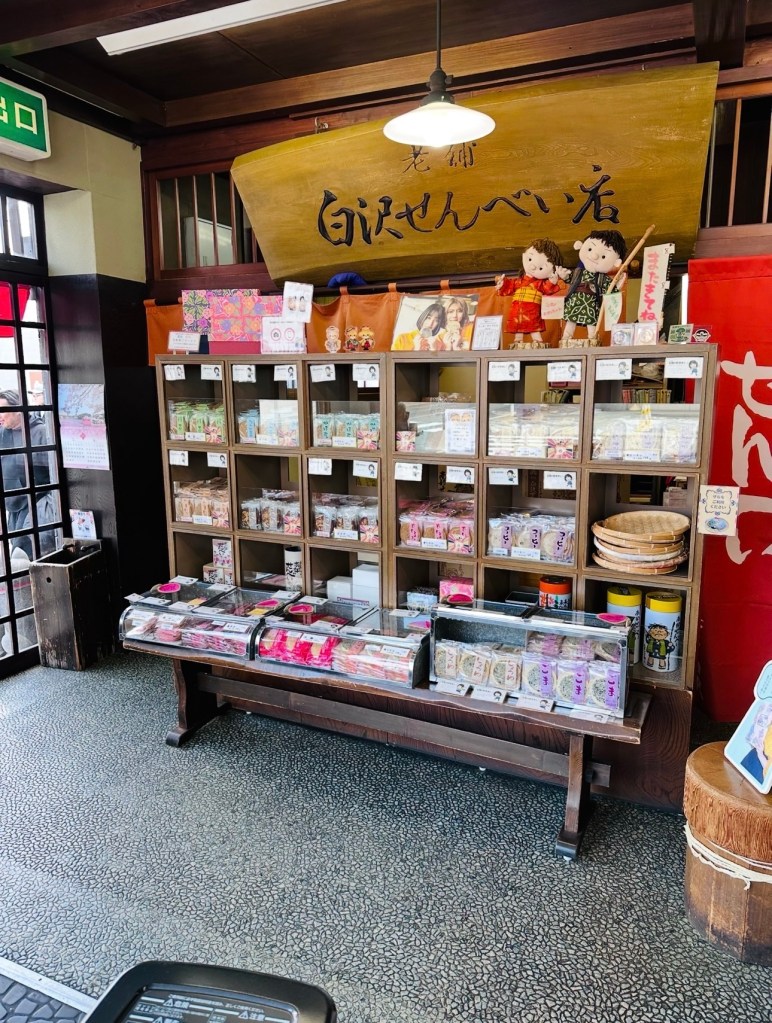
Local Nambu sembei cracker shop – very unique style of wheat crackers with flavors like sesame or peanuts.
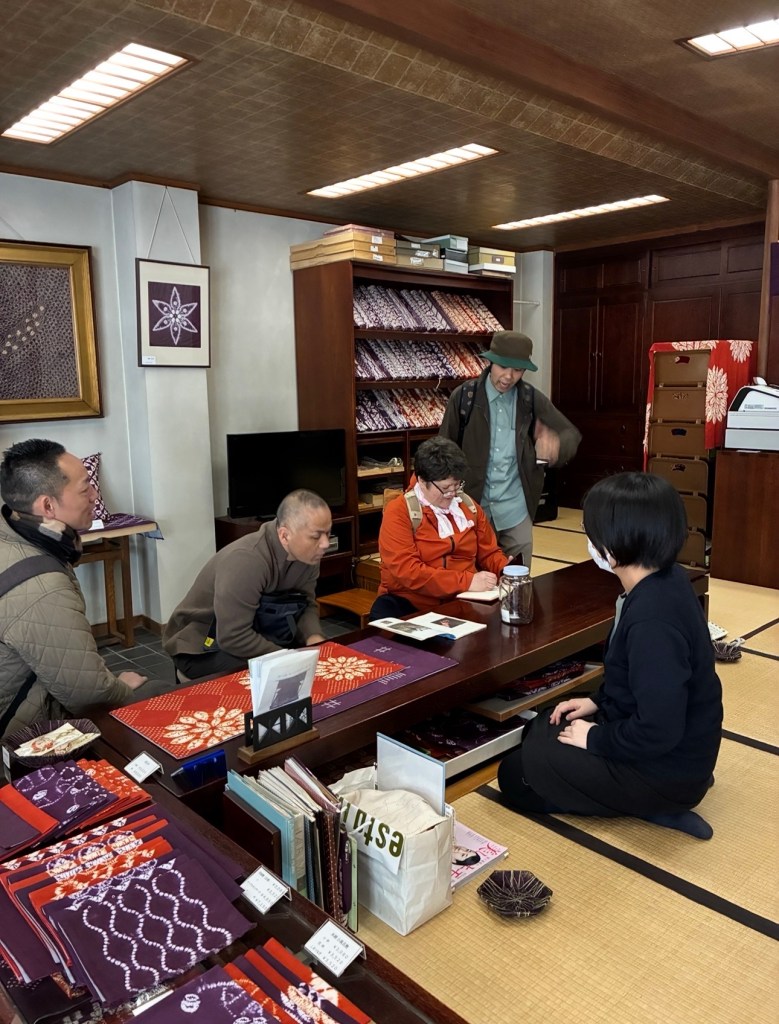
Soshido shikon dyeing shop where we got a lesson on how the materials are tied in shibori style and the use of a local Nambu shikon plant to make the purple dye.
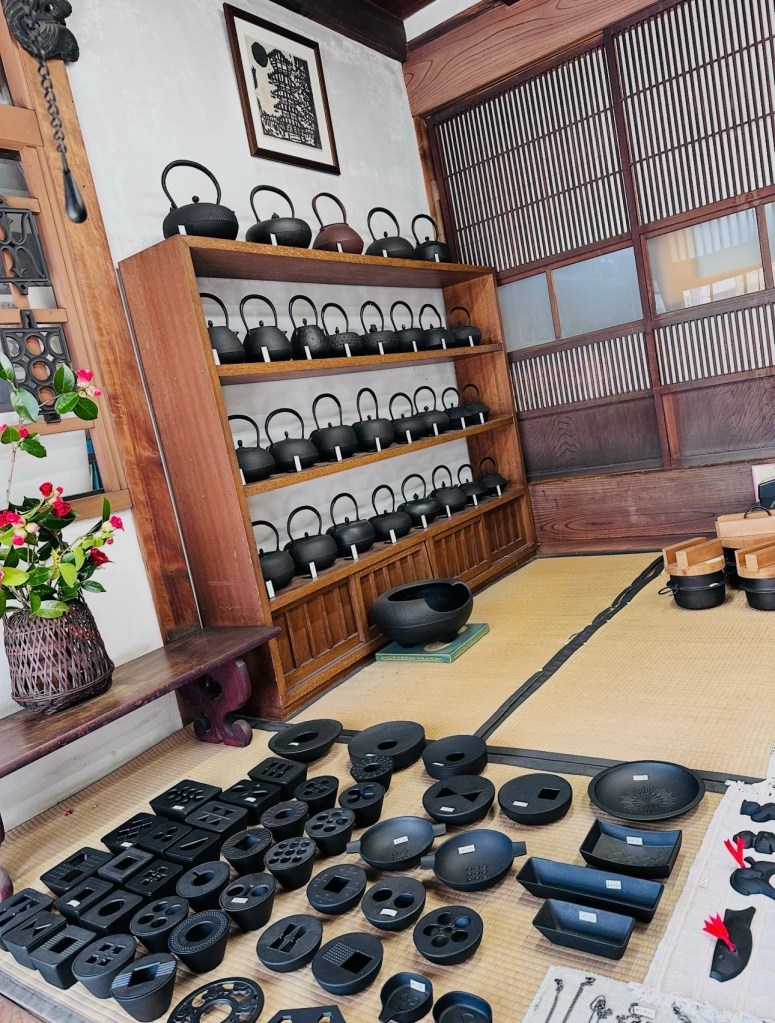
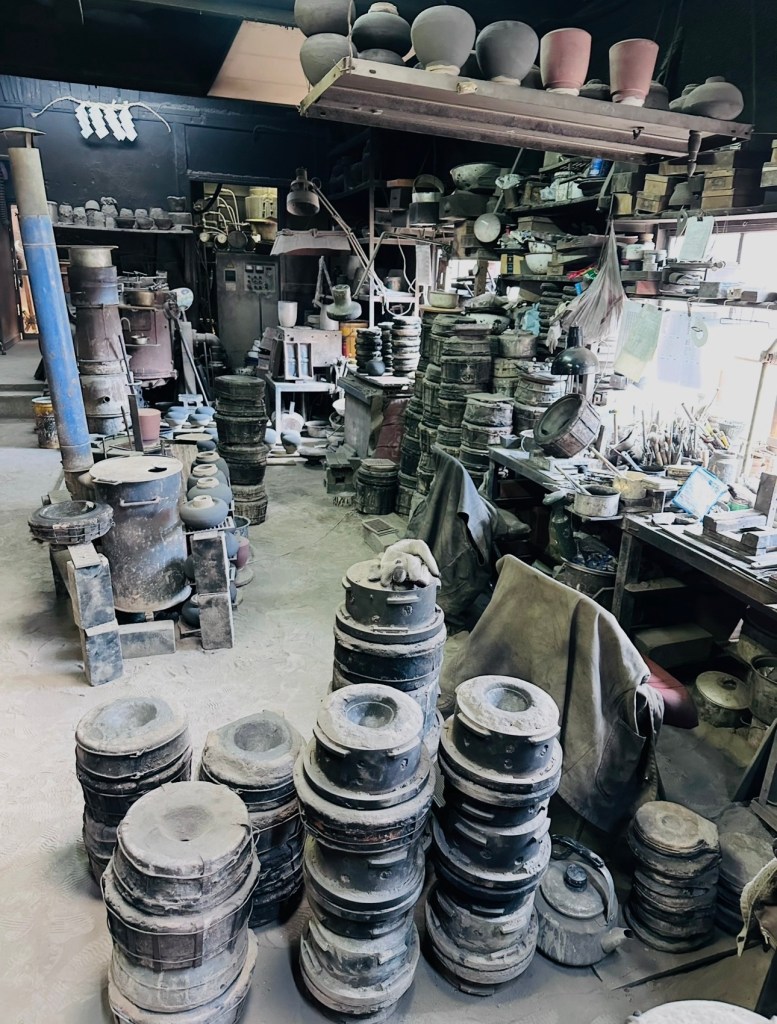
Super cool to see the atelier for a Nambu tekki ironware shop and the beautiful tea pots
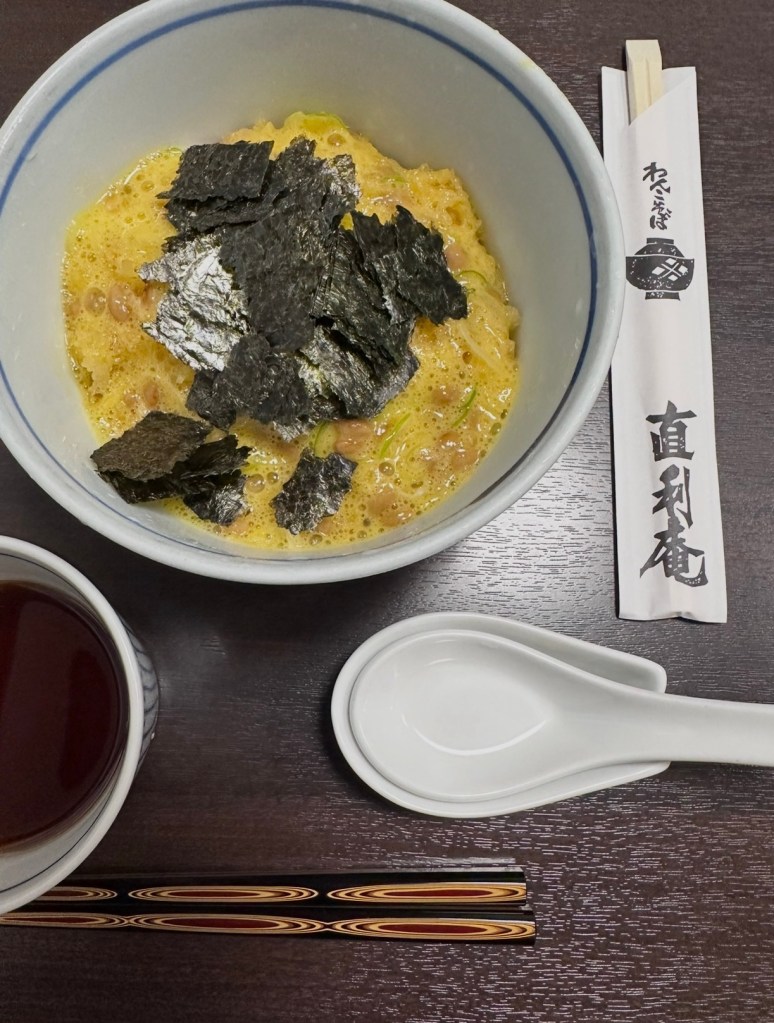
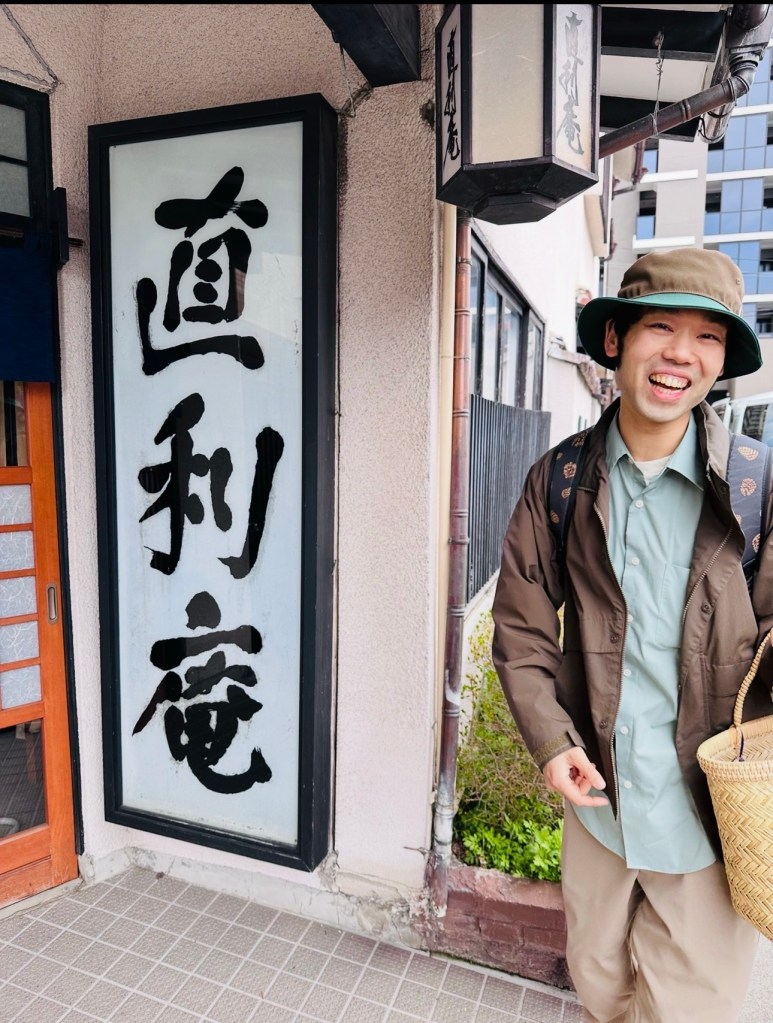
Chokurian an historic soba shop going back 140 years for their cool take on nattō soba topped with whipped raw eggs and nori.
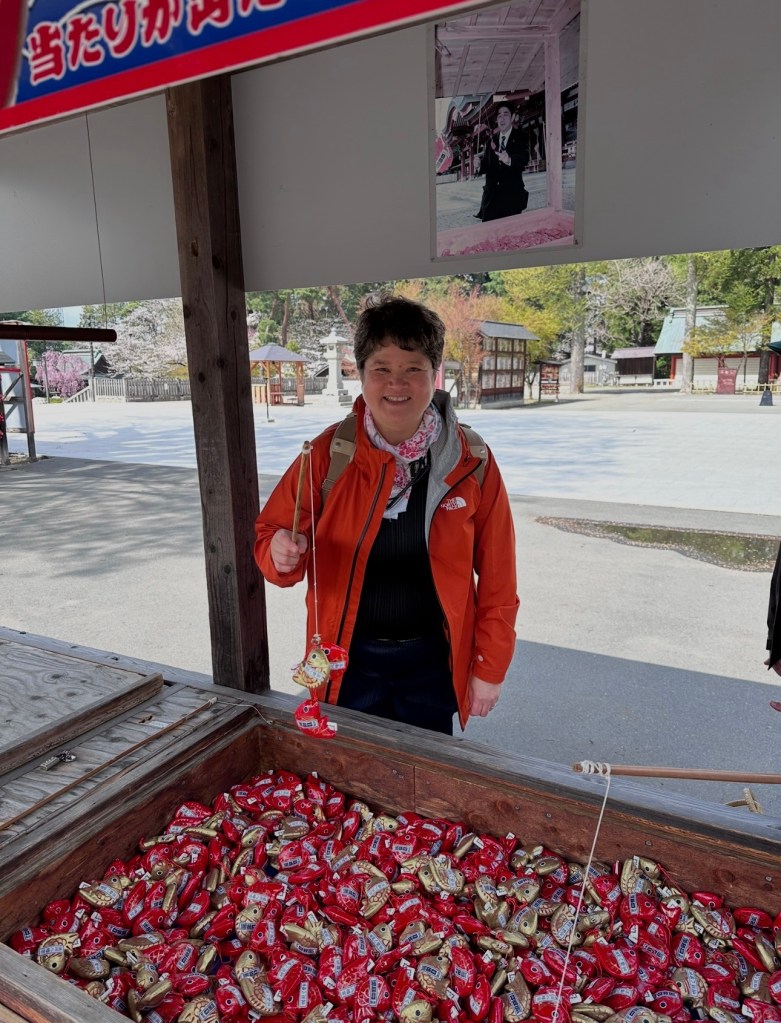
Tohoku’s largest shrine, Hachimangu, where I could fish for my fortune inside these playful tai sea bream fish. The shrine is 300 years old.
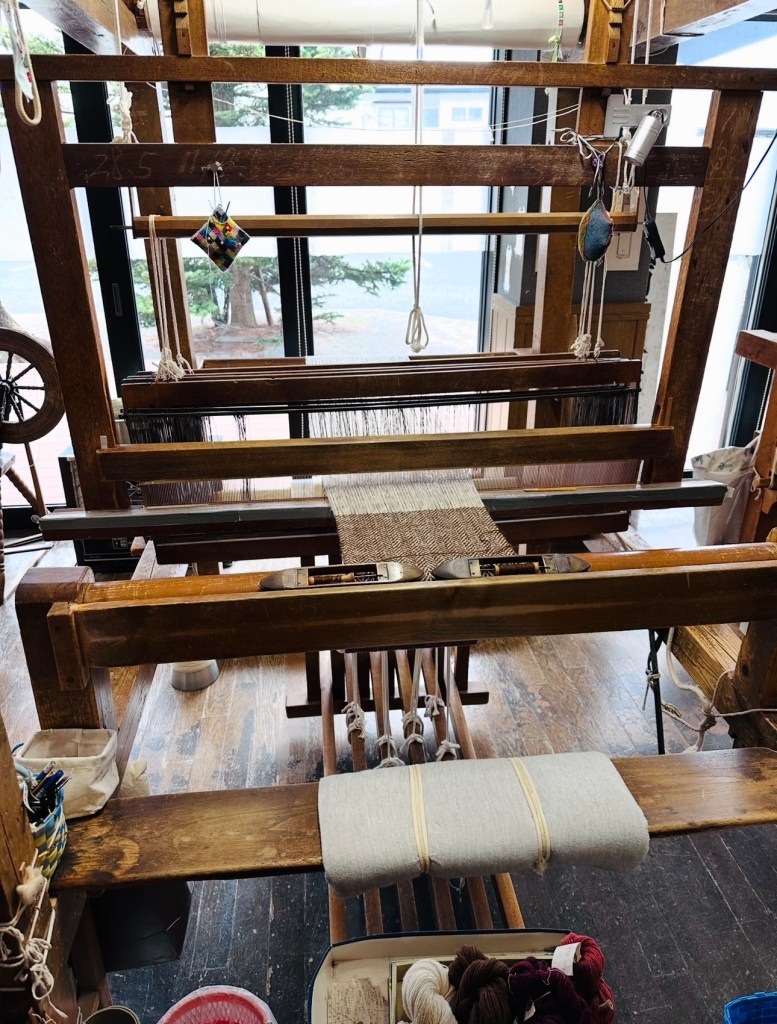
Homespun wool and weavers – a local craft passed down from the West to make products for the cold winters. We could observe the wool being spun and also woven.
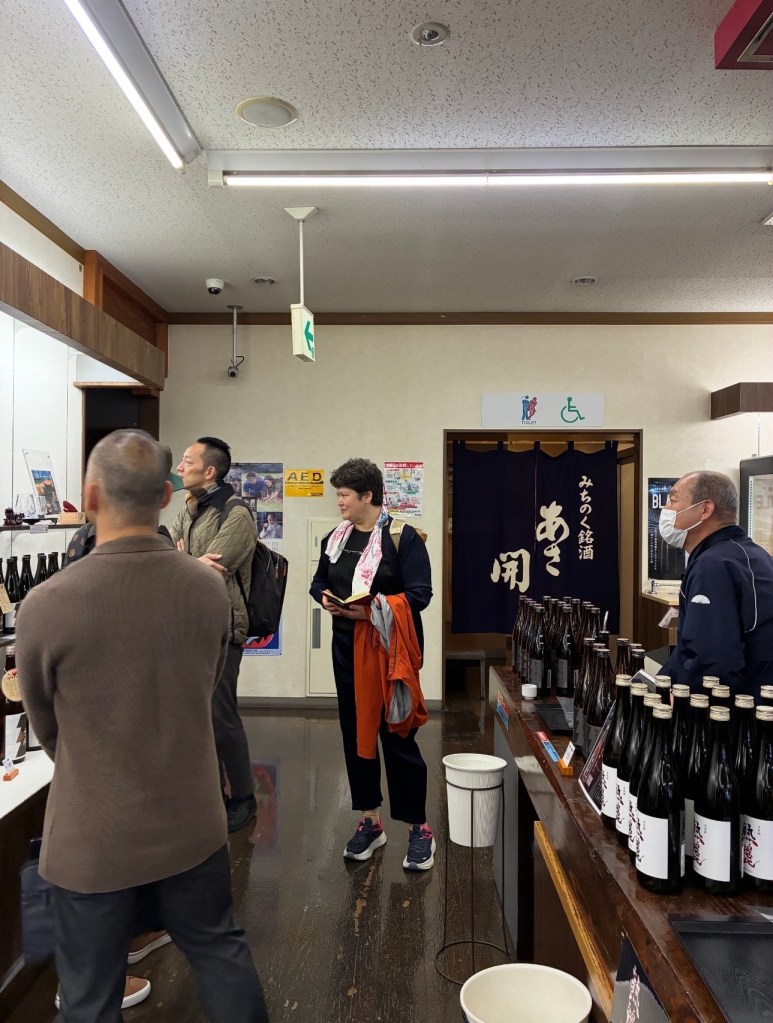
Tasted through a flight of Asabiraki sake and discovered a few new sake and an amazake. @asabiraki1871
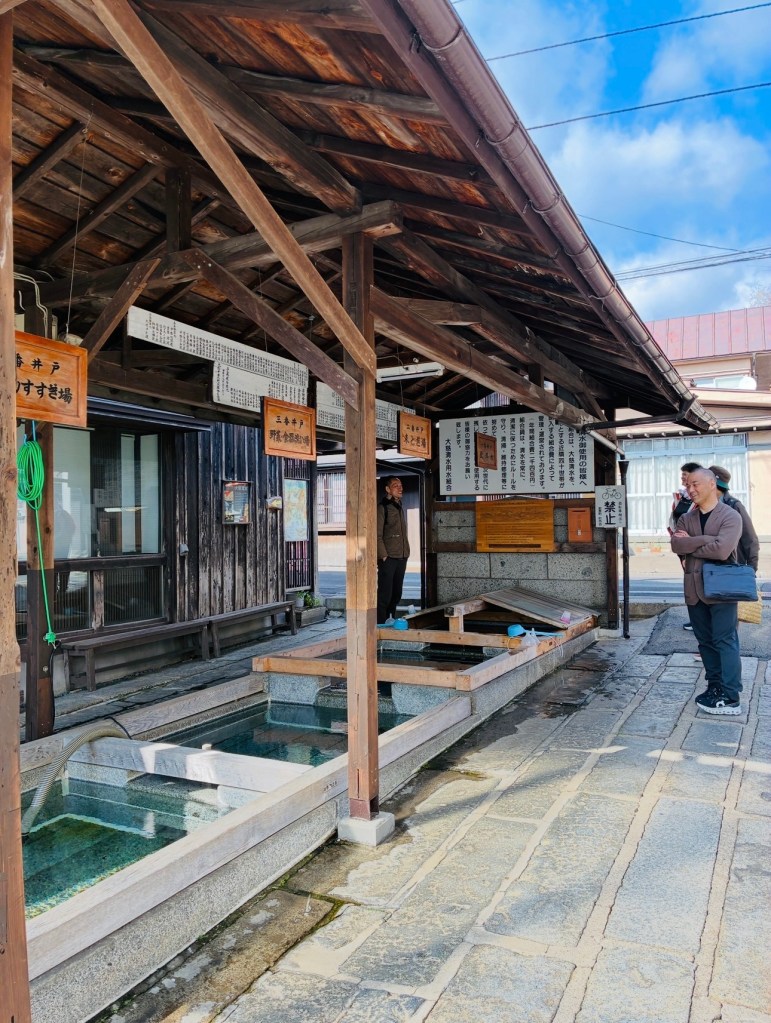
Very cool to see a shared water area that the neighborhood can use to collect water for cooking rice, drinking, and for washing vegetables.
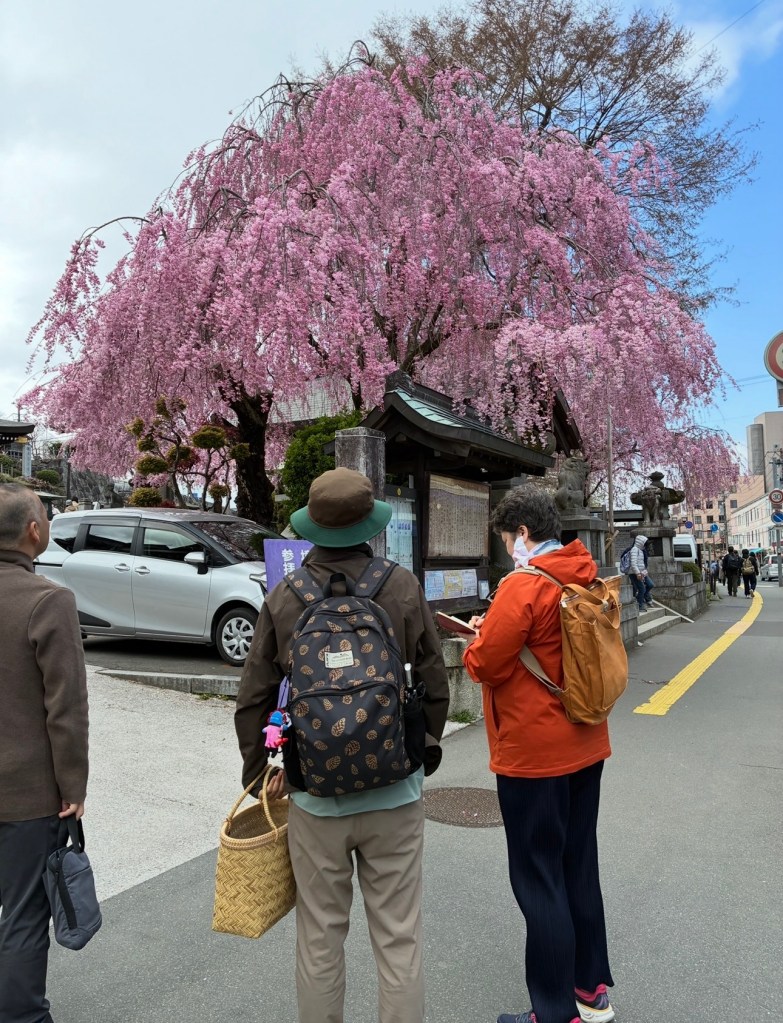
Sakurayama Jinja shrine founded in 1749.
Highly recommend visiting Tohoku and particularly Morioka. Azuma Farm Koiwai is a luxurious stay nearby.
#foodsaketokyo #foodsakejapan #tohoku #iwate #morioka
 Food Sake Tokyo
Sounds wonderful!
I learned so much!